|
Research
Foundation Research Report
Professional development is considered
to be the primary method by which to ensure that each child has
a highly qualified teacher. Three important standards for professional
development have been identified and are incorporated into the model
design.
Instead of annual, district-wide in-service days, professional development
should be organized as a series of focused workshops that reflect
the needs and interests of teachers. These workshops are collaboratively
planned by teachers and leadership personnel and generally use group
inquiry models. These activities are intensive and have the long-term
support of district administration. Faculty study groups have also
been identified as an important support to increasing teacher effectiveness.
These groups are, by design, used to support curricular and instructional
innovations, integrate the school’s instructional programs,
target schoolwide instructional need, and monitor the impact of
changes on children. Peer coaching has also been identified as an
important element of professional development. This support has
been found critical in developing specific teaching strategies,
finding ways to meet school goals, and the integration of various
strategies.
The CELL-ExLL-Second Chance model incorporates
all of the recommended key elements of professional development.
This includes instruction that is research based and focused on
key areas of cognitive, language, and literacy development. Literacy
focus is specific to the critical areas of instruction identified
by the National Reading Panel; phonemic awareness, phonics, fluency,
vocabulary, and text comprehension outlined in The Research Building
Blocks for Teaching Children to Read, available online at http://www.nifl.gov/partnershipforreading/publications/reading_first1.html.
Content area instruction follows accepted state and national content
standards. Professional development is delivered that includes specifically
focused teacher training, support for faculty study groups, and
the training of peer coaches to ensure necessary support to teachers
and the sustainability of the project.
Standards for scientific research are used for both model design
and the selection of best instructional practices. These standards
are specific and available for review online at http://www.ed.gov/nclb/methods/whatworks/research/index.html?exp=0.
In addition to the research included in this report, a more extensive
research analysis of Foundation programs is available online at
http://www.cell-exll.com/foundationresearchreport1.htm.
Model
and Comparison Schools on Academic Performance Index
California uses an Academic
Performance Index (API) to measure annual yearly progress (AYP).
It is a numeric index that ranges from a low of 200 to a high
of 1000. The indicators used in determining API include results
of the Stanford 9 (all content areas) and the California Standards
Test (in English-Language Arts, Mathematics, and Social Science).
Schools using the model, CELL (PreK-3), ExLL (Grades 3-6), and
Second Chance (Grades 6-12) were matched with comparison schools
for initial API scores and ethnic makeup of the student population.
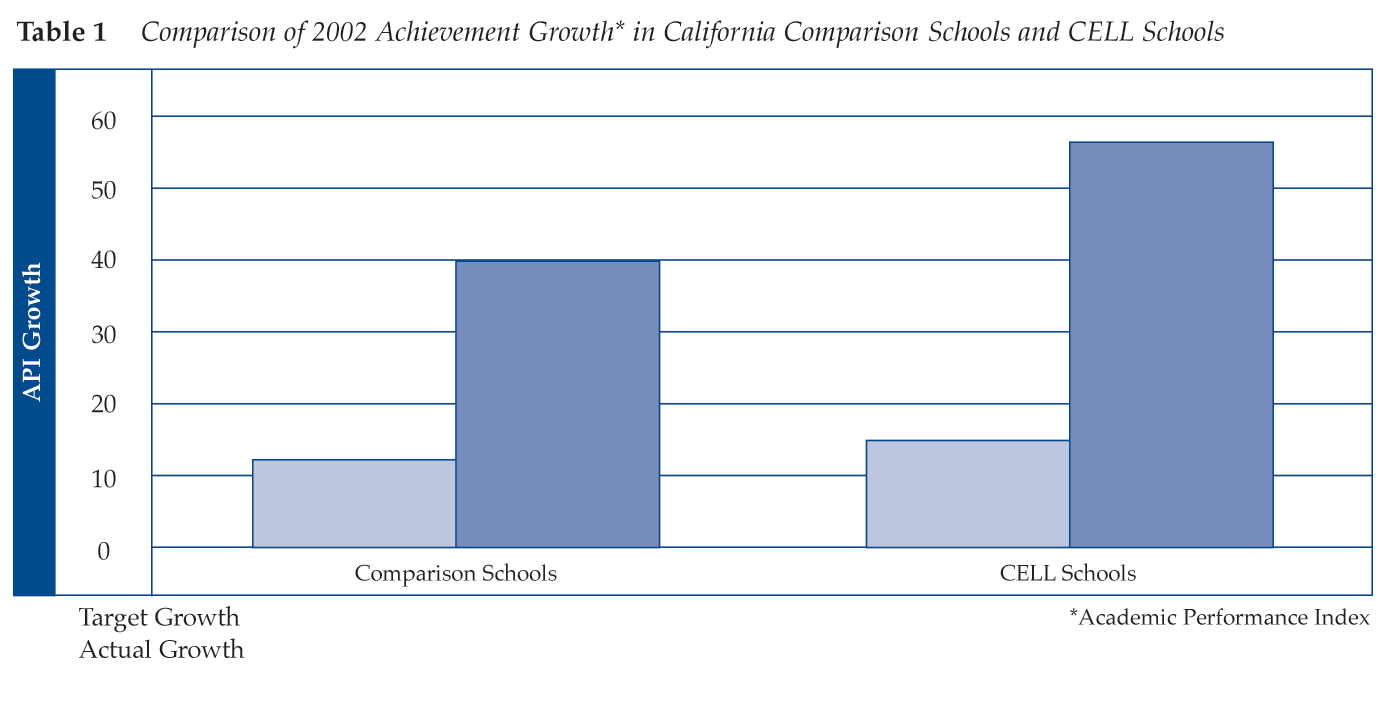
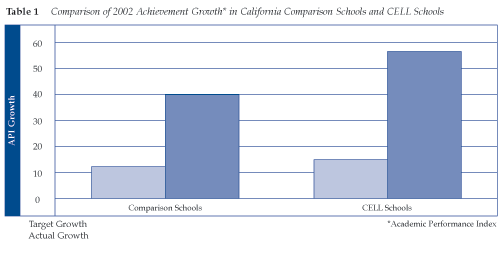
In Table 1, 30 schools participating in CELL exceeded the comparison
schools by 16 growth points on the Academic Performance Index.
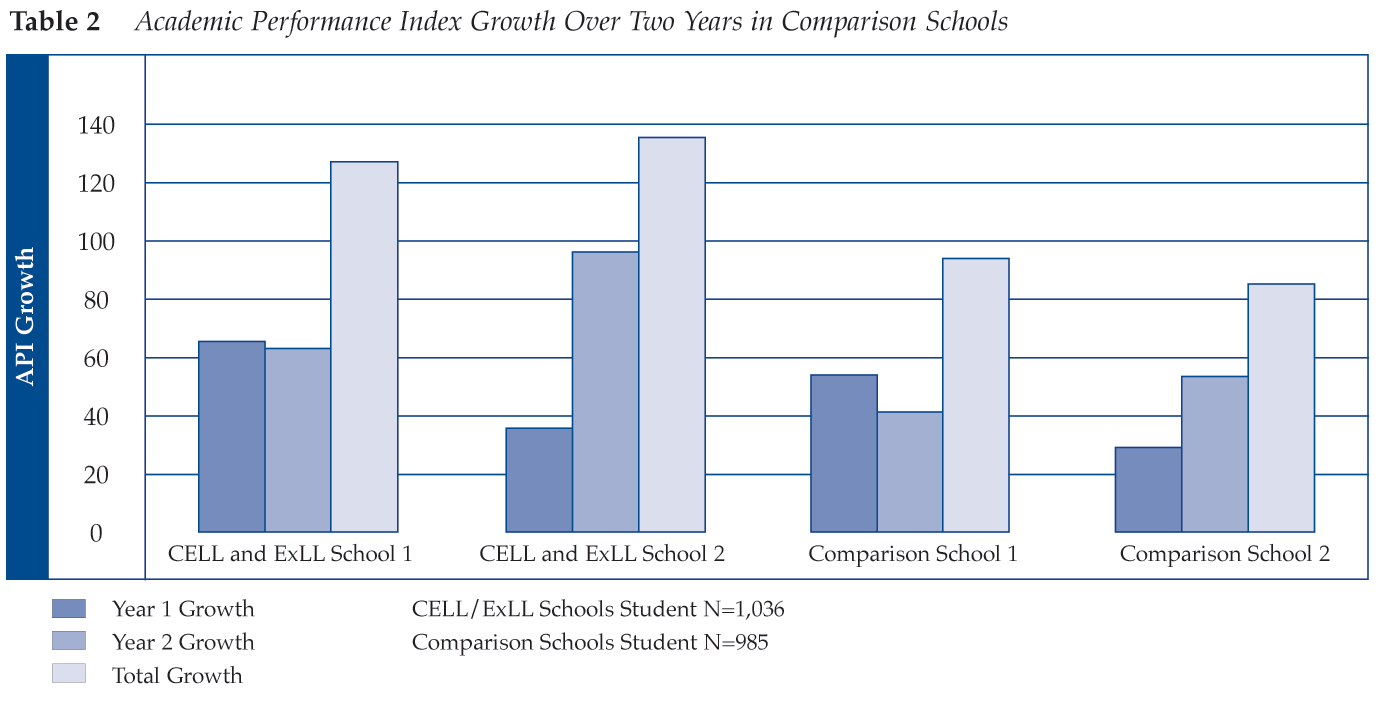
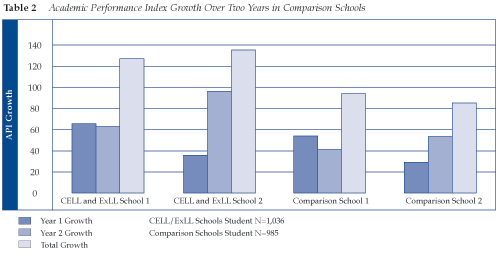
Table 2 shows the same comparison for two CELL/ExLL schools where
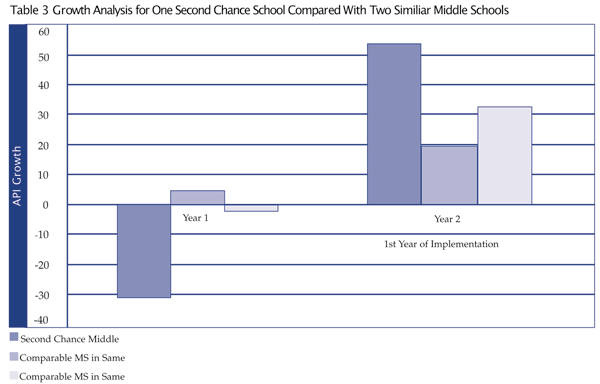
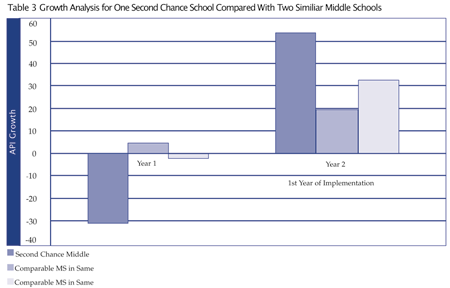
growth scores were 82 points higher. Table 3 shows a Second Chance
school with API growth 70 points higher than comparison school
1, and 34 points higher than comparison school 2.
Second
Chance Comparison Schools on Academic Performance Index
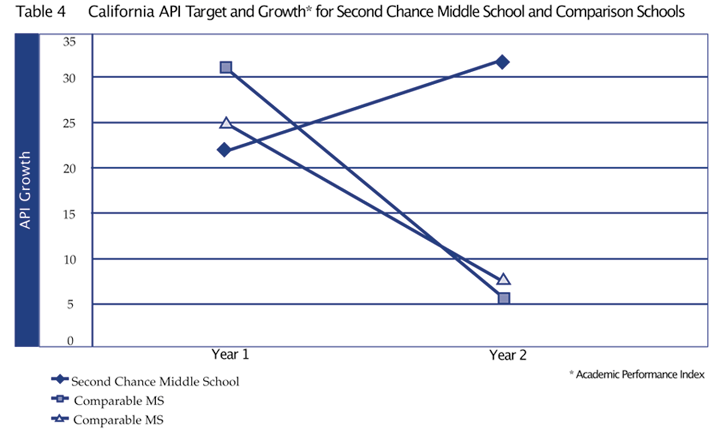
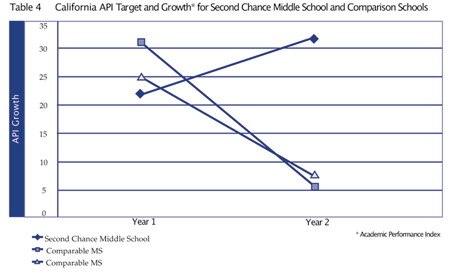
API growth for Second Chance model school is compared to 2 comparison
schools in Table 4. These data from the 2003 testing cycle
show substantial growth for the model school when compared
to the other schools.
Longitudinal
Growth for Title 1 Schools
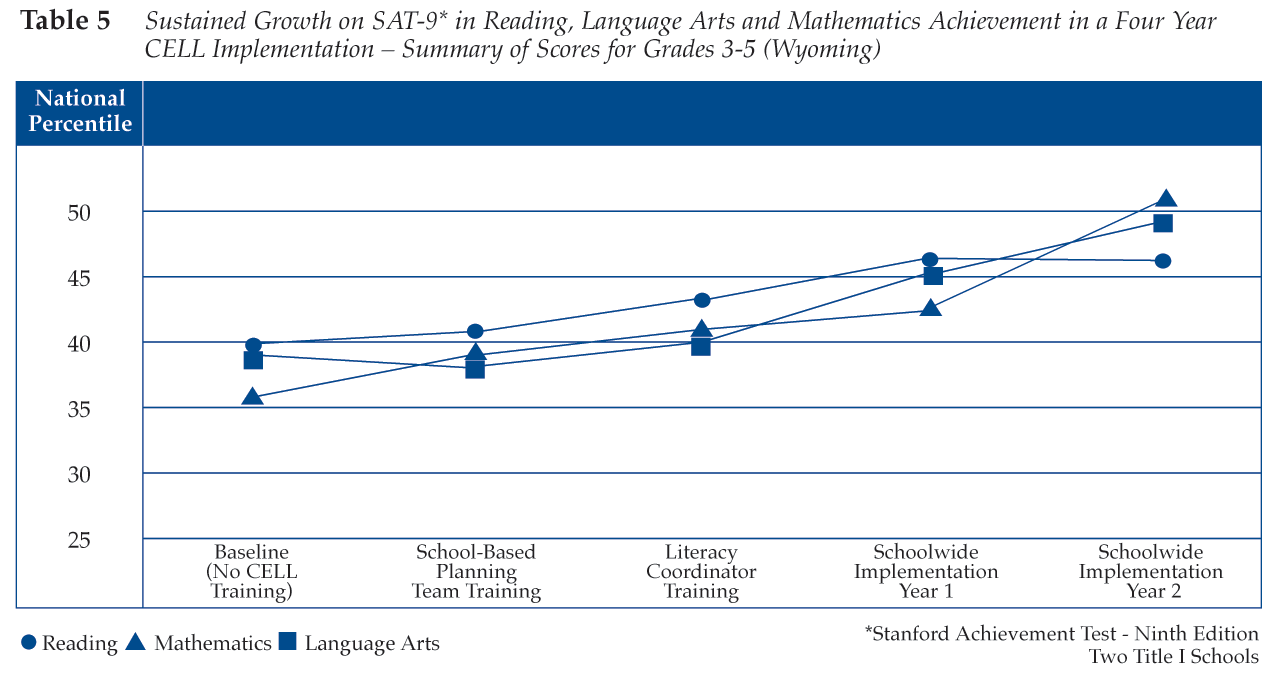
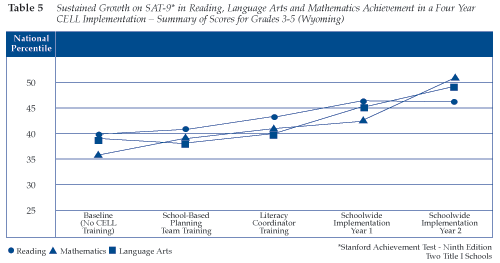
Schools in Wyoming use the
Stanford 9 to measure student achievement in Title I schools. The
scores reported in Table 5 show the performance increases for the
two Title I schools in this district over a five year period. Continuous
growth is reported in reading, mathematics, and language arts.
Data
on Model Discontinuation
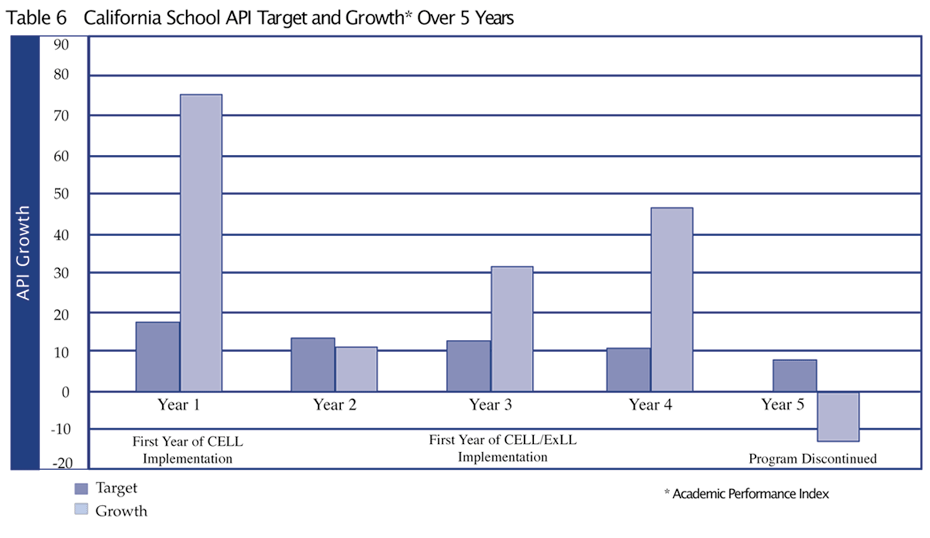
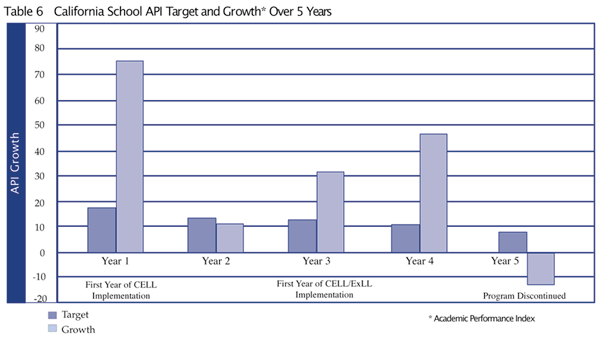
Table 6 shows Academic Performance
Index growth over four years for a CELL and ExLL full implementation
school. CELL/ExLL were discontinued in year five with the adoption
of the Houghton-Mifflin reading program. Growth did not mee the
API target with this change.
Growth
in Proficiency for a Title I School
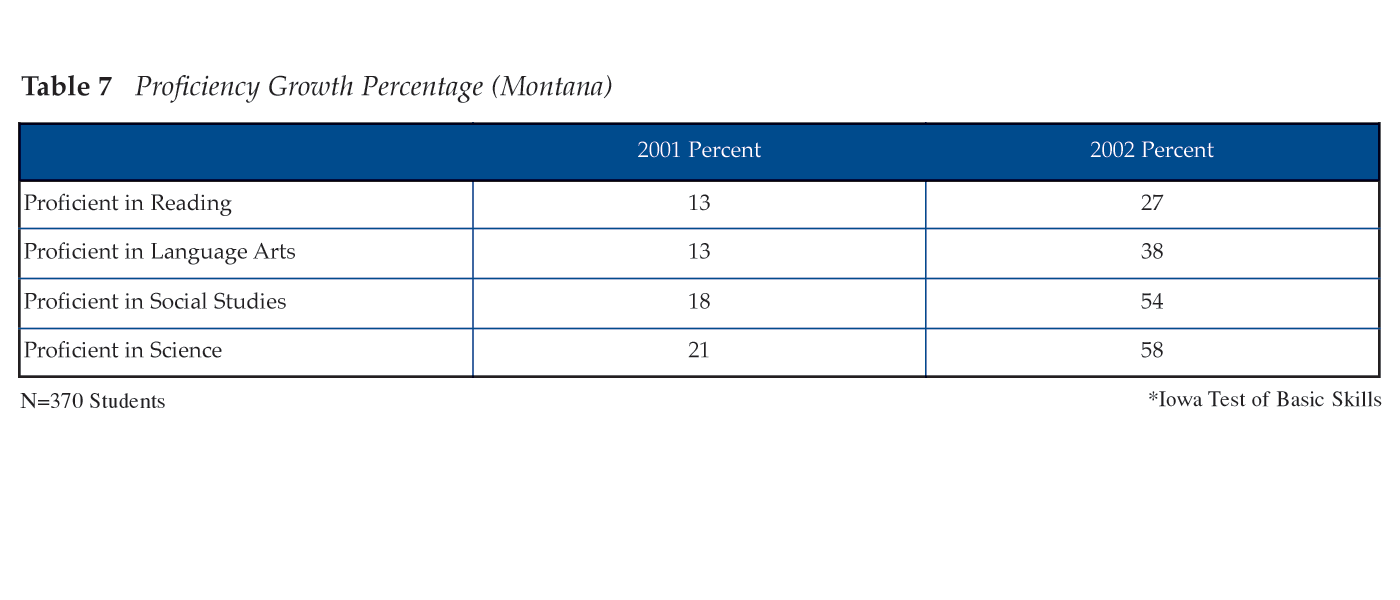
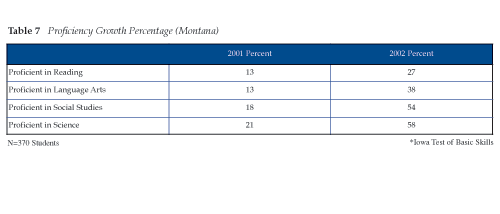
Schools in Montana use the
Iowa Test of Basic Skills to measure growth required by the participation
in the Title I program. Increases in students scoring proficient
in reading, language arts, social studies
and science are reported in Table 7.
Test
Scores for California Language Arts Standards
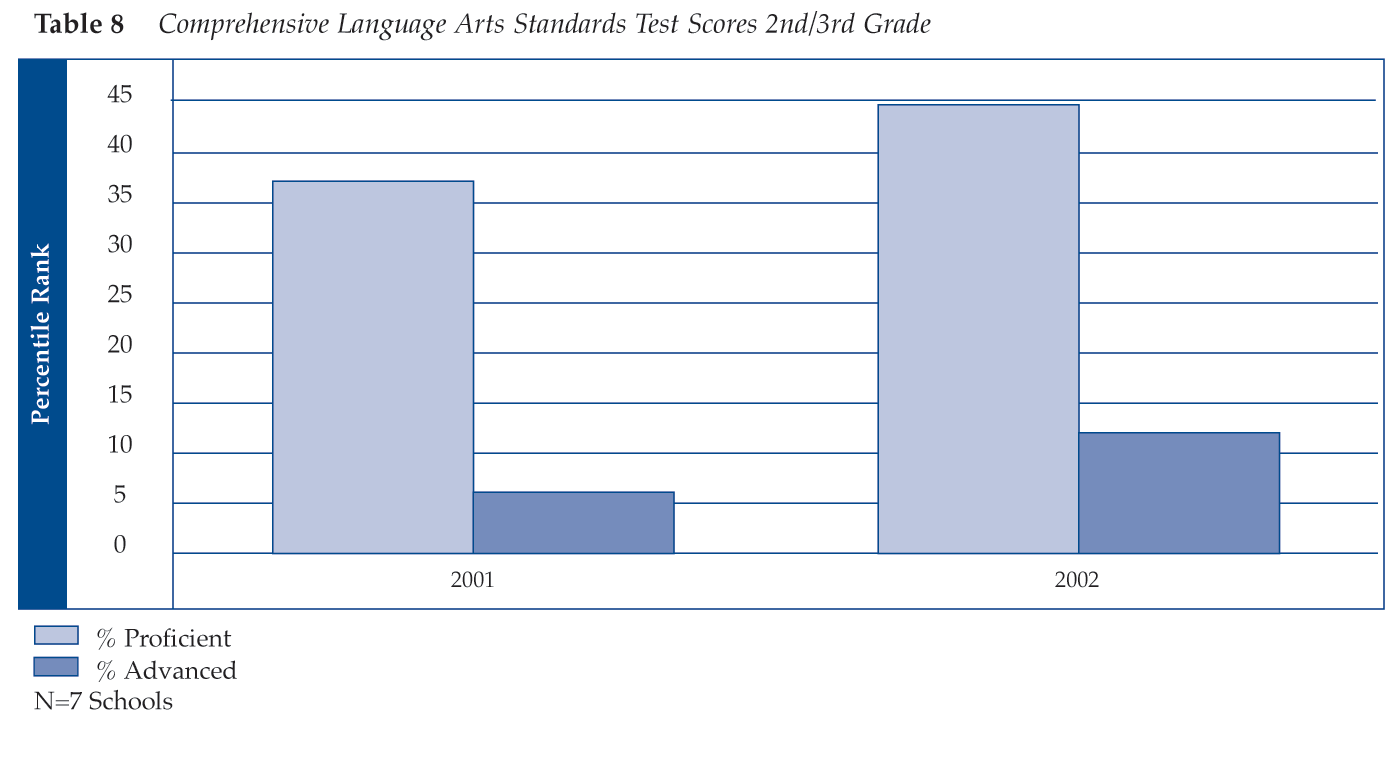
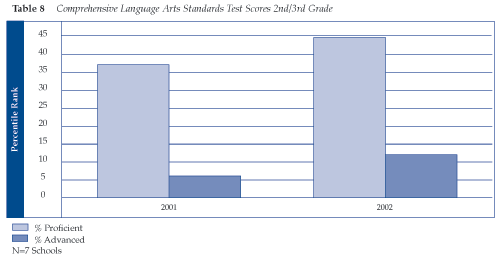
The California Language Arts
Standards Test is used as part of the Academic Performance Index
and can be analyzed for levels of proficiency. The seven elementary
schools in one district using the CELL and ExLL model reported levels
of proficiency in Table 8. Increases in both proficient and advanced
categories were found.
Utah
State Criterion-Referenced Tests for Model Schools
Utah developed the Utah State
Criterion-Referenced Tests to measure student academic growth and
performance. This measure was developed to specifically measure
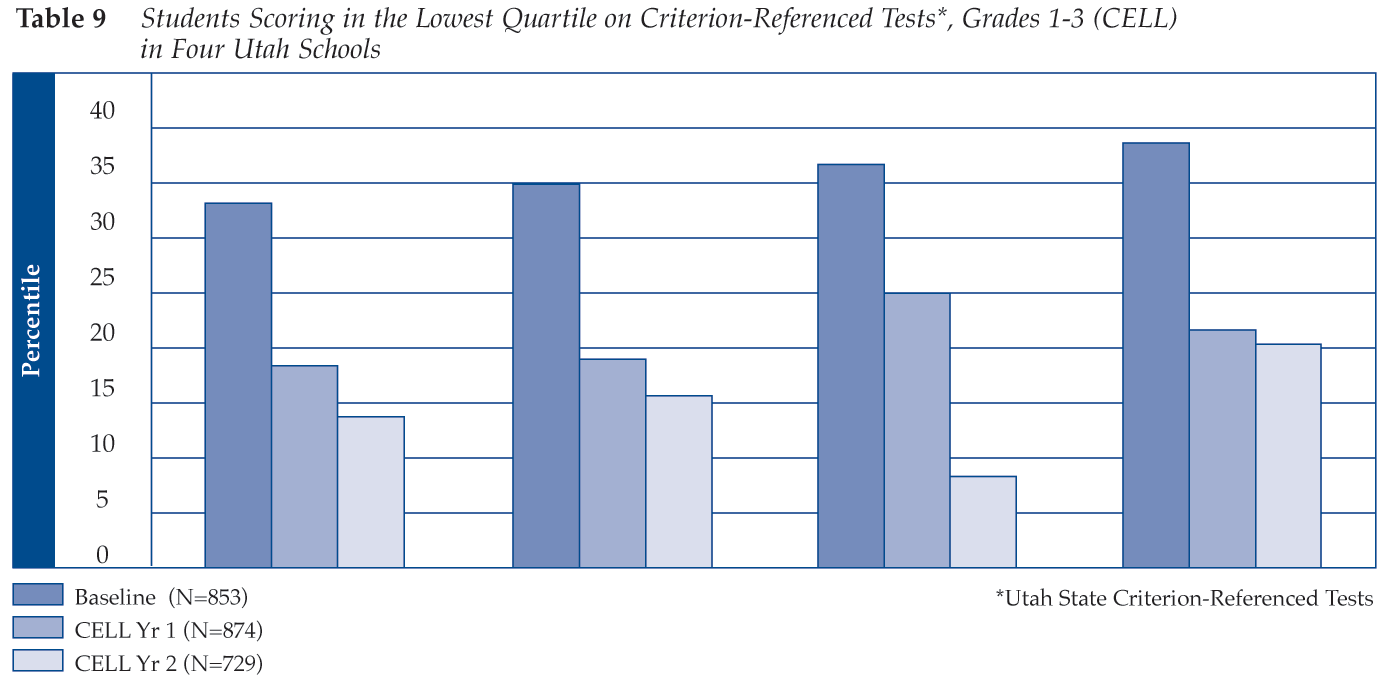
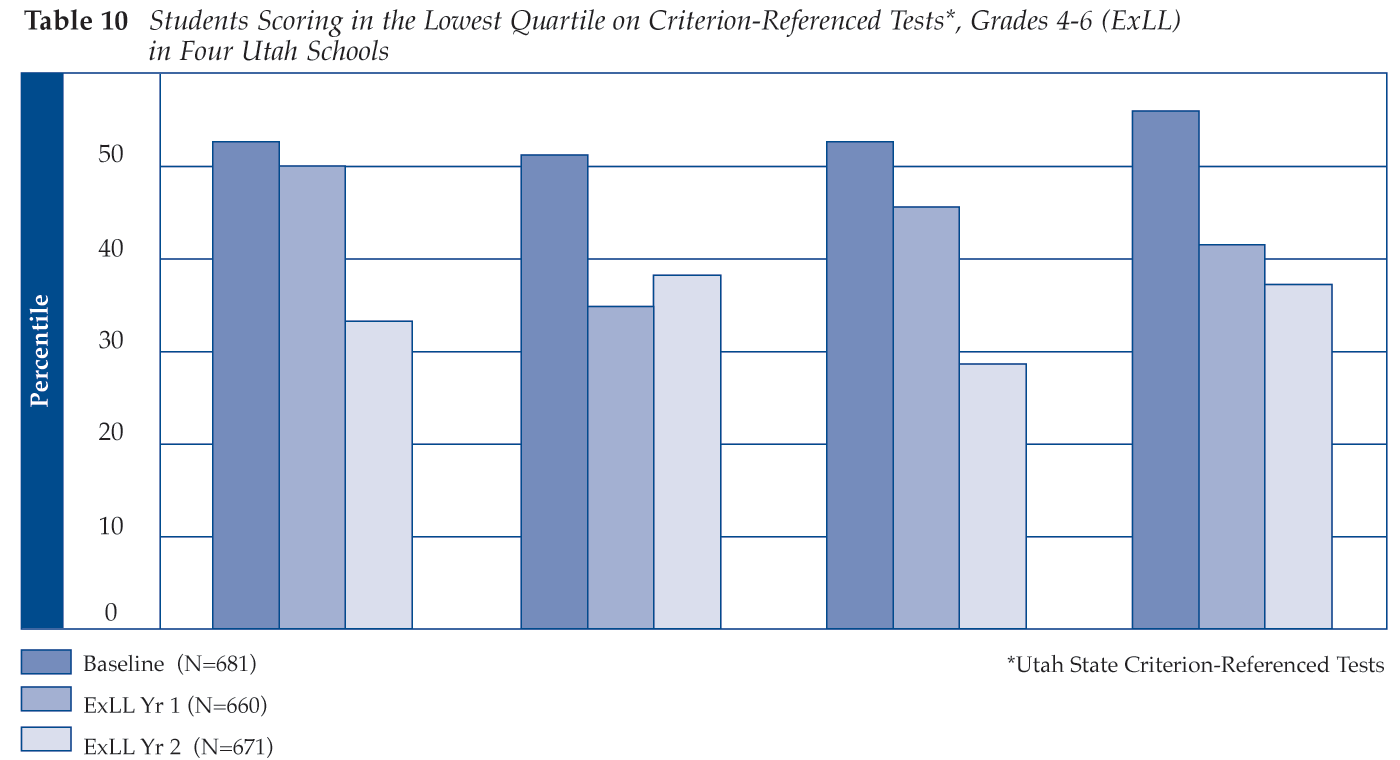
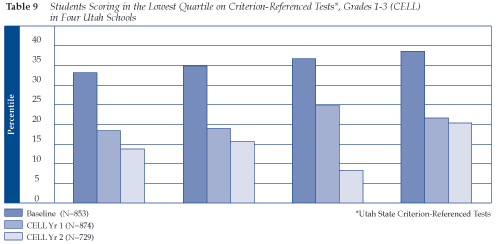
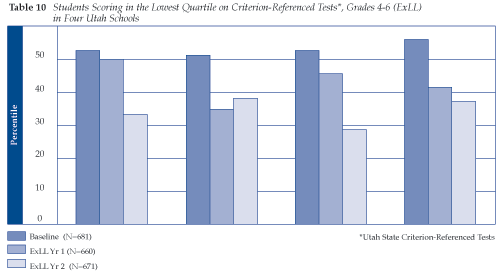
achievement based on Utah’s core curriculum. Four schools
participating in the model report the number of students scoring
in the lowest quartile on this test in Tables 9 and 10. Decreases
in low performers are reported from the baseline measure before
training in Grades 1-3 and in Grades 4-6.
Random
Assignment to Model Classrooms
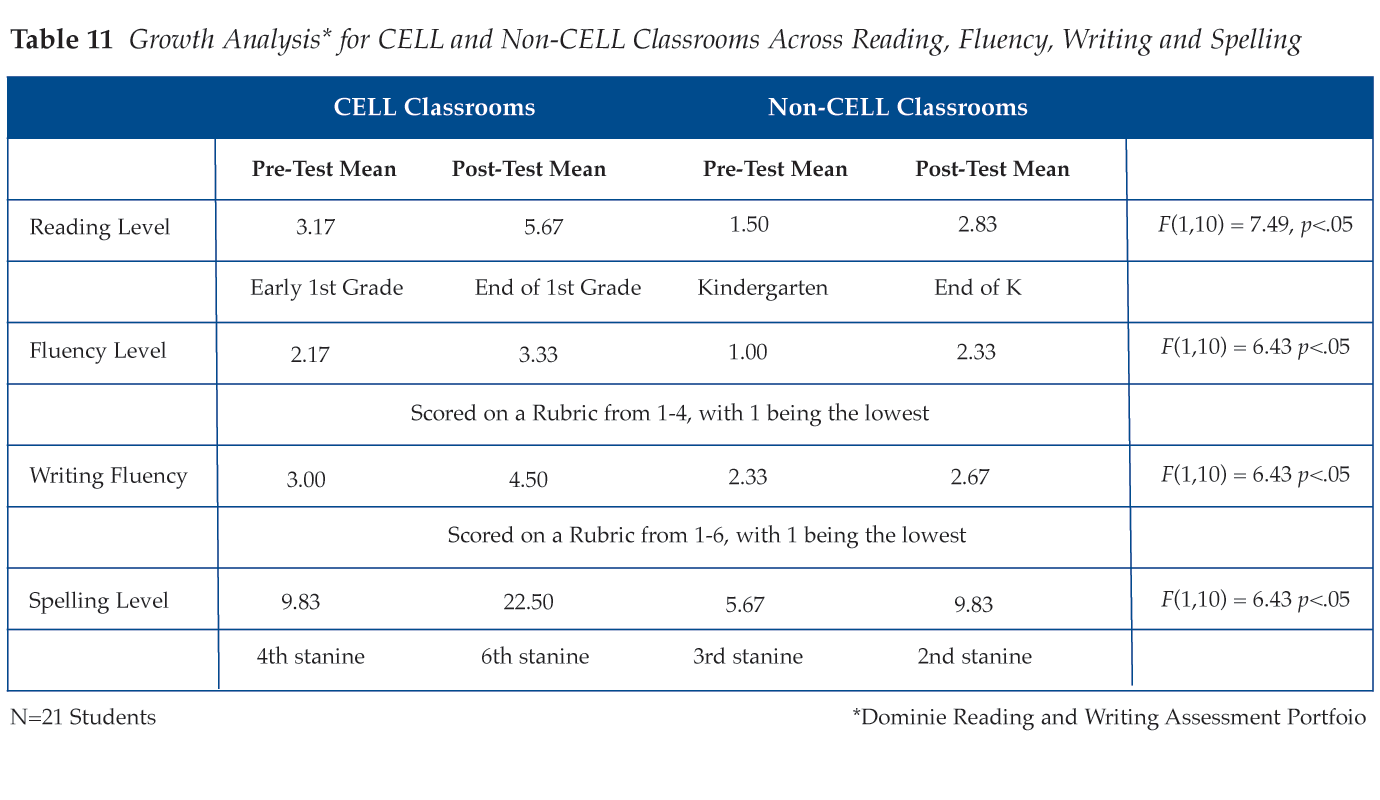
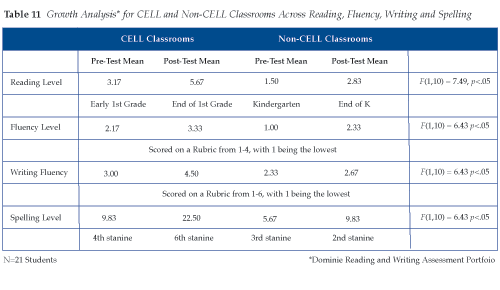
Students were randomly assigned to
classrooms with teachers trained in the model and non-participating
teachers in the same district. Measures reported in Table 11 for
reading level, fluency level, writing fluency and spelling level
were all significantly higher for students in model classrooms.
The Dominie Reading and Writing Assessment Portfolio was used for
this assessment. This measure uses year-to-year stanines as comparisons
to monitor progress across grade levels.
Random
Assignment of English Language Learners to Tutoring
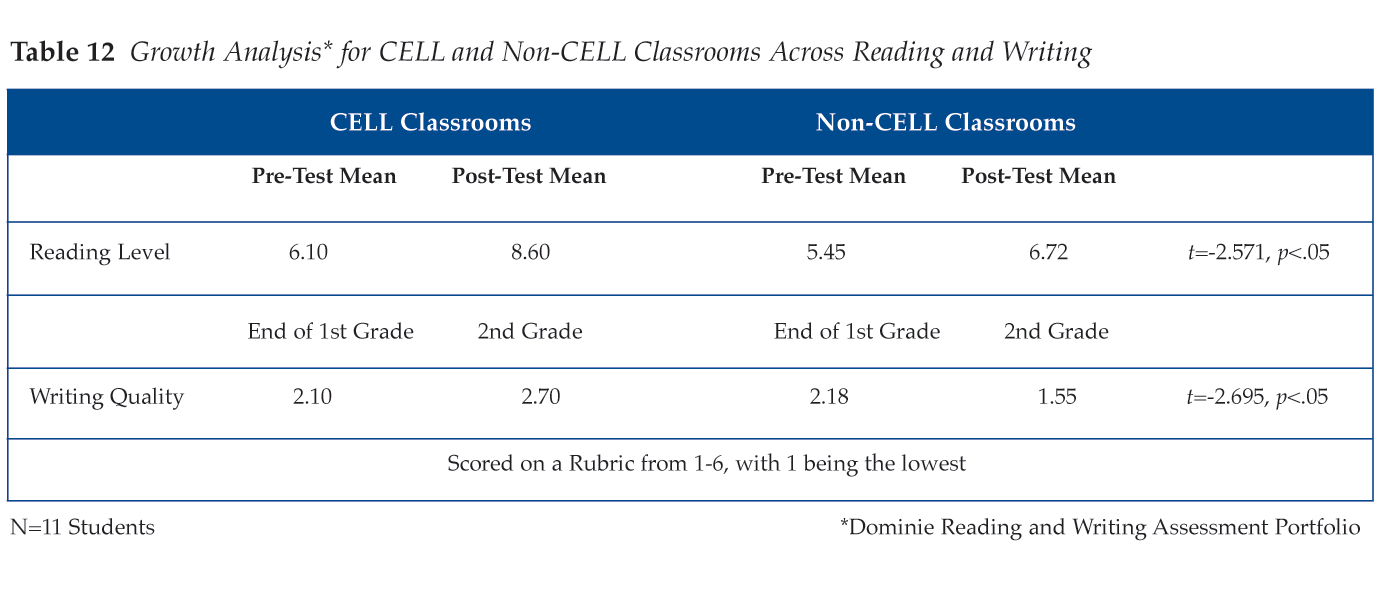
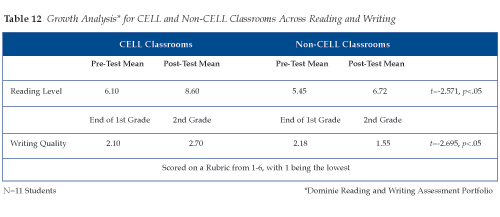
English language learners were randomly
assigned for tutoring with a CELL site facilitator and a teacher
not trained in the model. Table 12 compares reading fluency and
writing quality for these groups using the Dominie Reading and Writing
Assessment Portfolio. Growth for students in the model tutorial
were significant compared to those in the control group.
Impact
of Training on Teachers
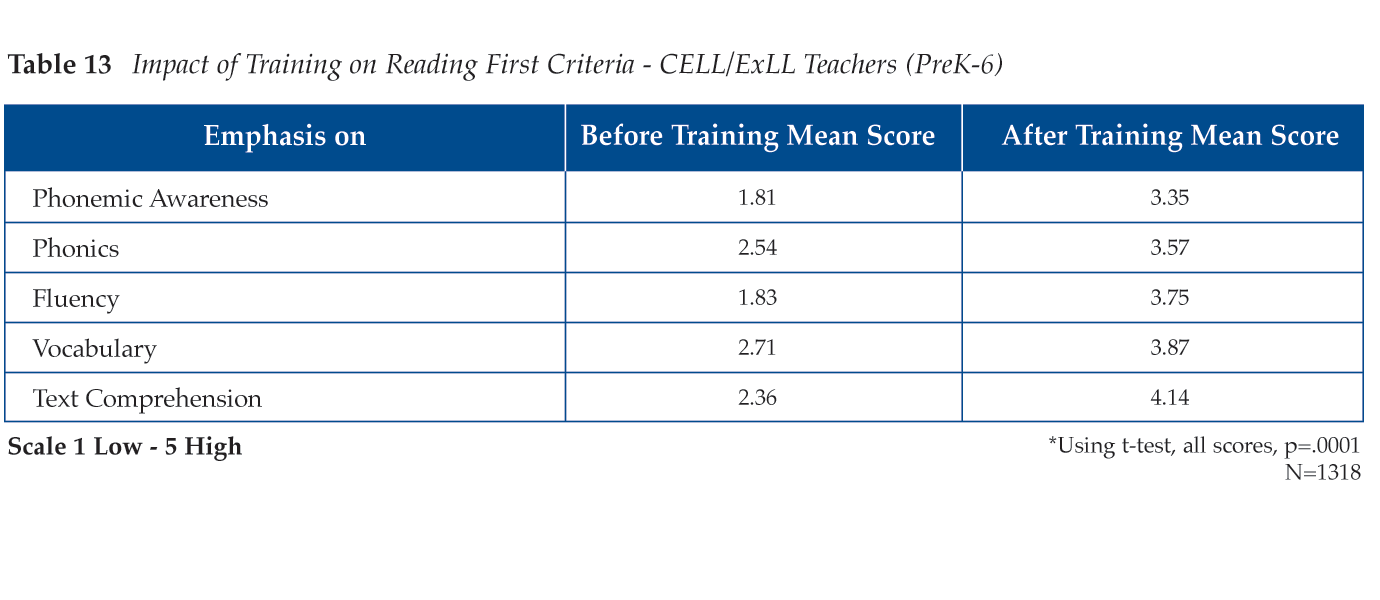
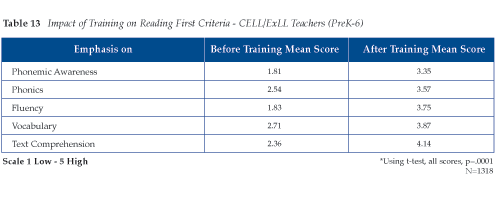
The impact of model training on teacher
behavior is reported in Table 13. Teachers were asked to rate the
impact of training on the areas of critical instruction required
in Reading First and No Child Left Behind. Scores are significant
for each of the five areas of instruction.
National
Native American Professional Development Center
The National Native American Professional
Development Center, under the direction of Executive Director, Craig
Dougherty, was established to focus on improving elementary education
for Native Americans, including Alaskans and Hawaiians, nationwide.
Professional development and family literacy are key elements in
this collaborative project located in Sheridan, Wyoming. http://www.cell-exll.com/NativeAmerican.html.
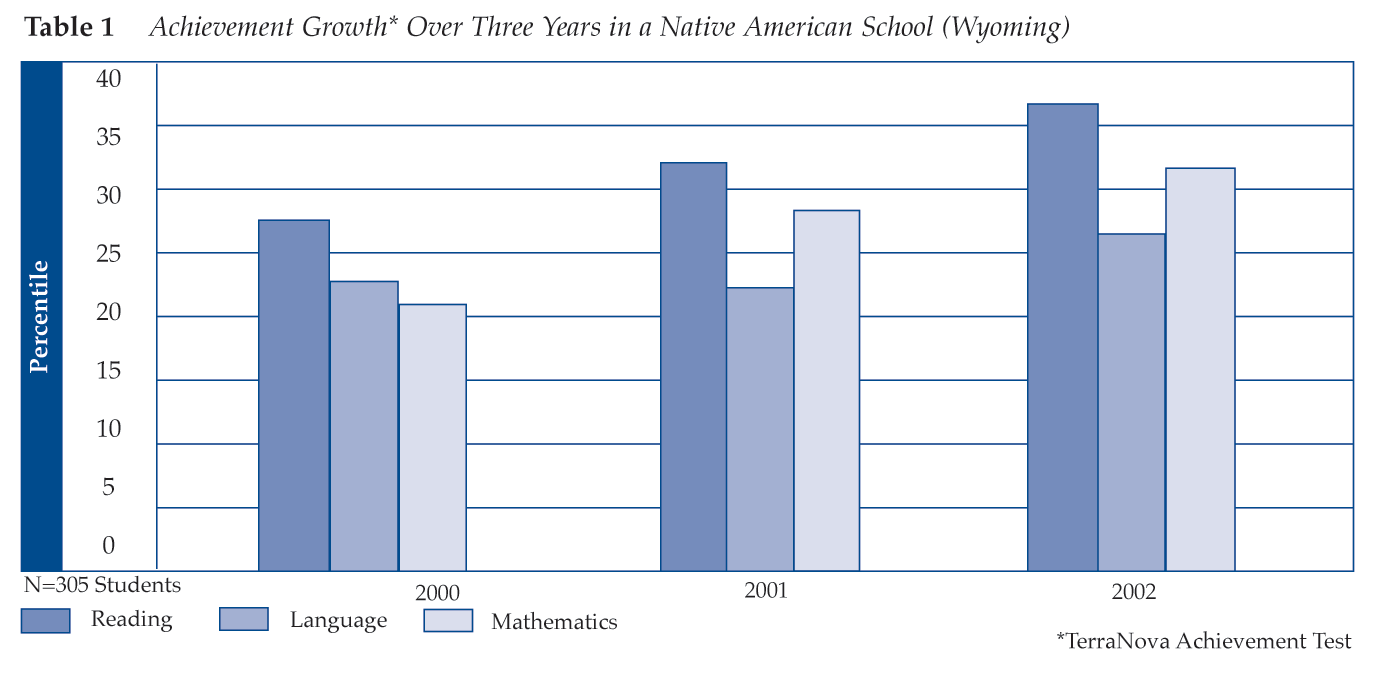
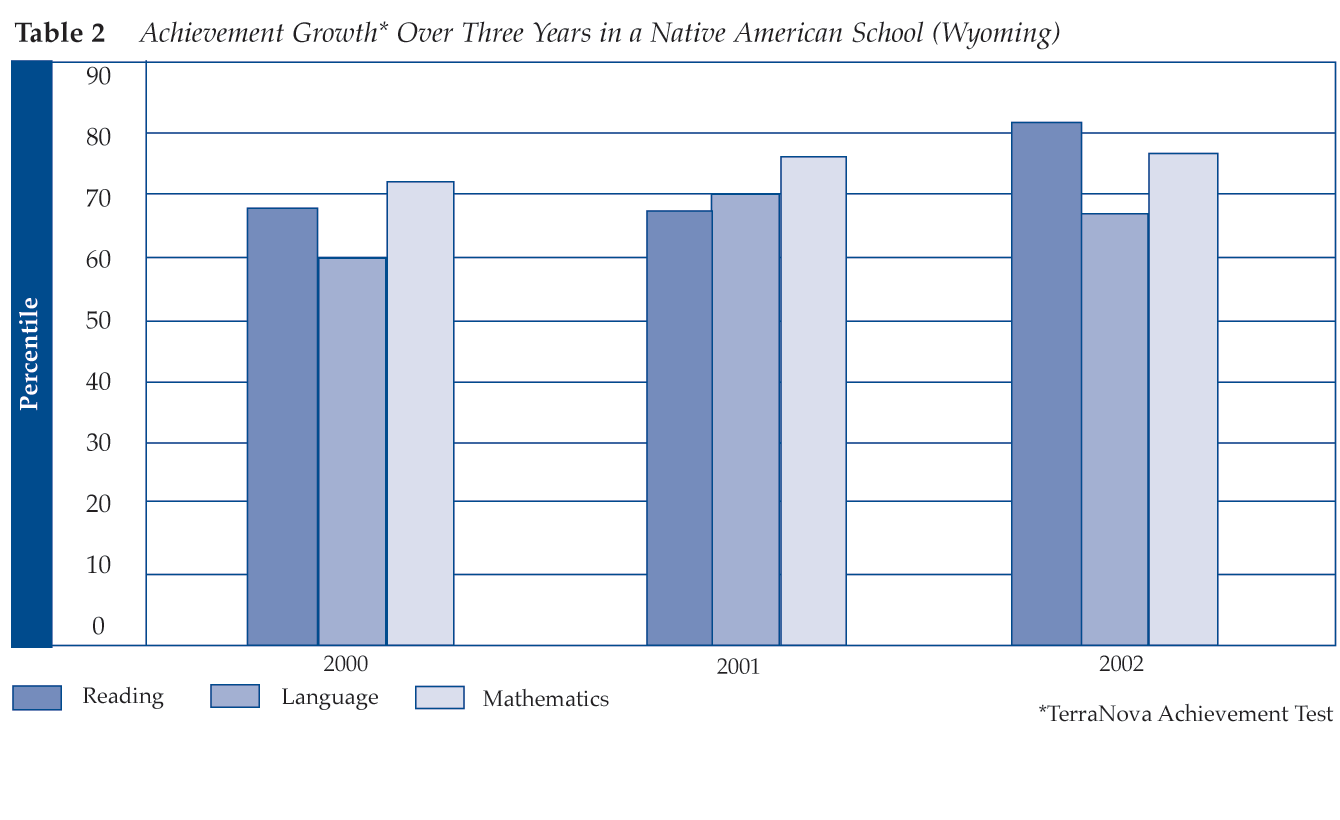
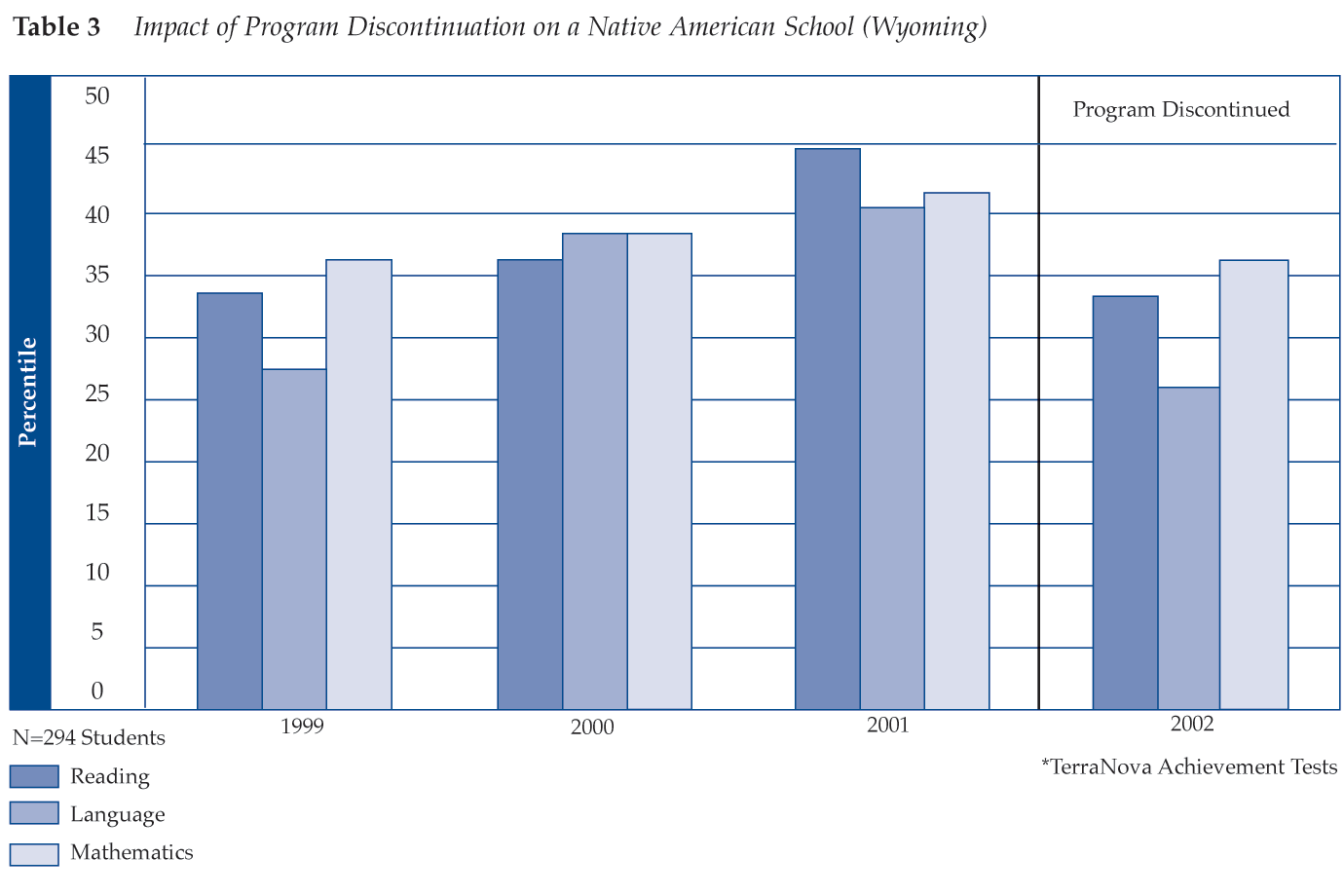
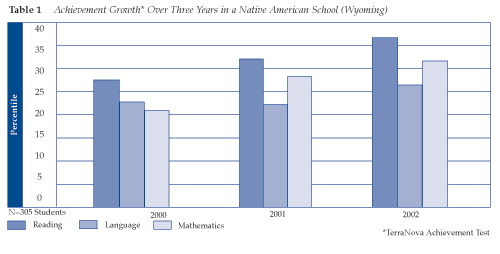
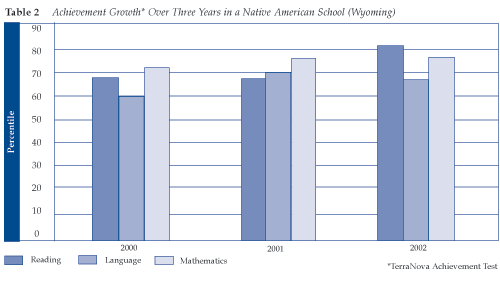
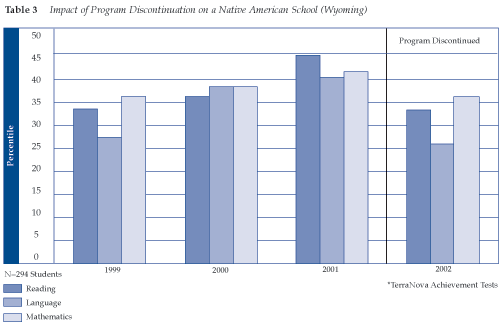
Initial research for Native American schools participarticipating
in the CELL/ExLL model is reported in Tables 1, 2 and 3.
|









 "CELL and ExLL schools outperformed other elementary schools in the
SAT-9."
"Accountability is an important part of the CELL, ExLL, and Second
Chance training."
"CELL and ExLL are the
most professional training sessions that I have ever attended. They believe
in the integrity of teachers."
- Elementary School Principal
"Studies suggest that programs that support teachers are more powerful
over the long term than scripted programs."
"Independent evaluations found CELL and ExLL to be effective programs."
"CELL and ExLL schools outperformed other elementary schools in the
SAT-9."
"Accountability is an important part of the CELL, ExLL, and Second
Chance training."
"CELL and ExLL are the
most professional training sessions that I have ever attended. They believe
in the integrity of teachers."
- Elementary School Principal
"Studies suggest that programs that support teachers are more powerful
over the long term than scripted programs."
"Independent evaluations found CELL and ExLL to be effective programs."